
Diabetes in Pregnancy, Children, and Older Adults: Complete Guide
Diabetes in pregnancy and diabetes affecting children or older adults require a different approach than diabetes in the general adult population. Hormonal changes during pregnancy, growth and development in children, and age-related health conditions in older adults all influence blood sugar management and treatment decisions.
Understanding Diabetes in Pregnancy helps patients and caregivers make informed choices and reduce the risk of complications. In this guide, you’ll learn about gestational diabetes, type 1 diabetes in children, diabetes management in elderly patients, and the evidence-based care recommended for each group.
Diabetes in Pregnancy: Quick Answer
Diabetes in pregnancy, children, and older adults requires individualized care. Pregnant women may develop gestational diabetes, children most commonly have type 1 diabetes, and elderly patients often need personalized treatment goals to balance blood sugar control with safety and quality of life.
Quick Facts About Diabetes in Pregnancy, Children, and Older Adults
| Quick Facts | Details |
|---|---|
| Focus | Diabetes in special populations |
| Pregnancy | Gestational diabetes is usually screened at 24–28 weeks |
| Children | Type 1 diabetes is most common |
| Elderly | Treatment goals are individualized |
| Main Treatment | Diet, monitoring, medication, insulin when needed |
| Prevention | Healthy lifestyle and regular medical follow-up |
Diabetes in Pregnancy: Gestational Diabetes and Pre-existing Diabetes
What Is Gestational Diabetes in Pregnancy?
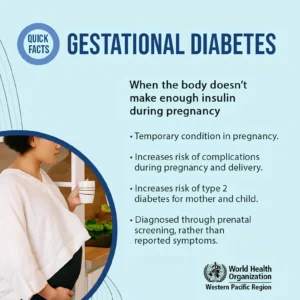
Gestational diabetes develops when a woman without a prior diabetes diagnosis develops elevated blood sugar during pregnancy, usually due to the insulin-resistant state that pregnancy hormones naturally create. It is typically screened for between 24–28 weeks of pregnancy using an oral glucose tolerance test, though earlier testing may be done in women with risk factors such as obesity, a prior history of gestational diabetes, or a strong family history of type 2 diabetes.
Symptoms of Gestational Diabetes in Pregnancy
Untreated or poorly controlled gestational diabetes raises the risk of:
– A larger-than-average baby (macrosomia), which can complicate delivery
– Neonatal hypoglycemia after birth
– Increased risk of cesarean delivery
– Higher long-term risk of type 2 diabetes for the mother later in life
The encouraging part is that gestational diabetes is very manageable with diet modification, regular blood sugar monitoring, and, when needed, insulin — which is considered safe in pregnancy, unlike some oral diabetes medications. Healthy eating, regular physical activity, and appropriate medication remain the foundation of diabetes care. For a detailed guide on nutrition, exercise, and treatment options, read our article on Diabetes Mellitus Diet, Lifestyle, and Medication Management.
Managing Pre-existing Diabetes in Pregnancy
Women who enter pregnancy already diagnosed with type 1 or type 2 diabetes require tighter glucose control than the general diabetic population, ideally established even before conception, since the early weeks of pregnancy are a critical window for fetal development. Close monitoring throughout pregnancy helps reduce risks of birth defects, miscarriage, and pregnancy complications like preeclampsia.
Type 1 Diabetes in Children
What Is Type 1 Diabetes in Children?
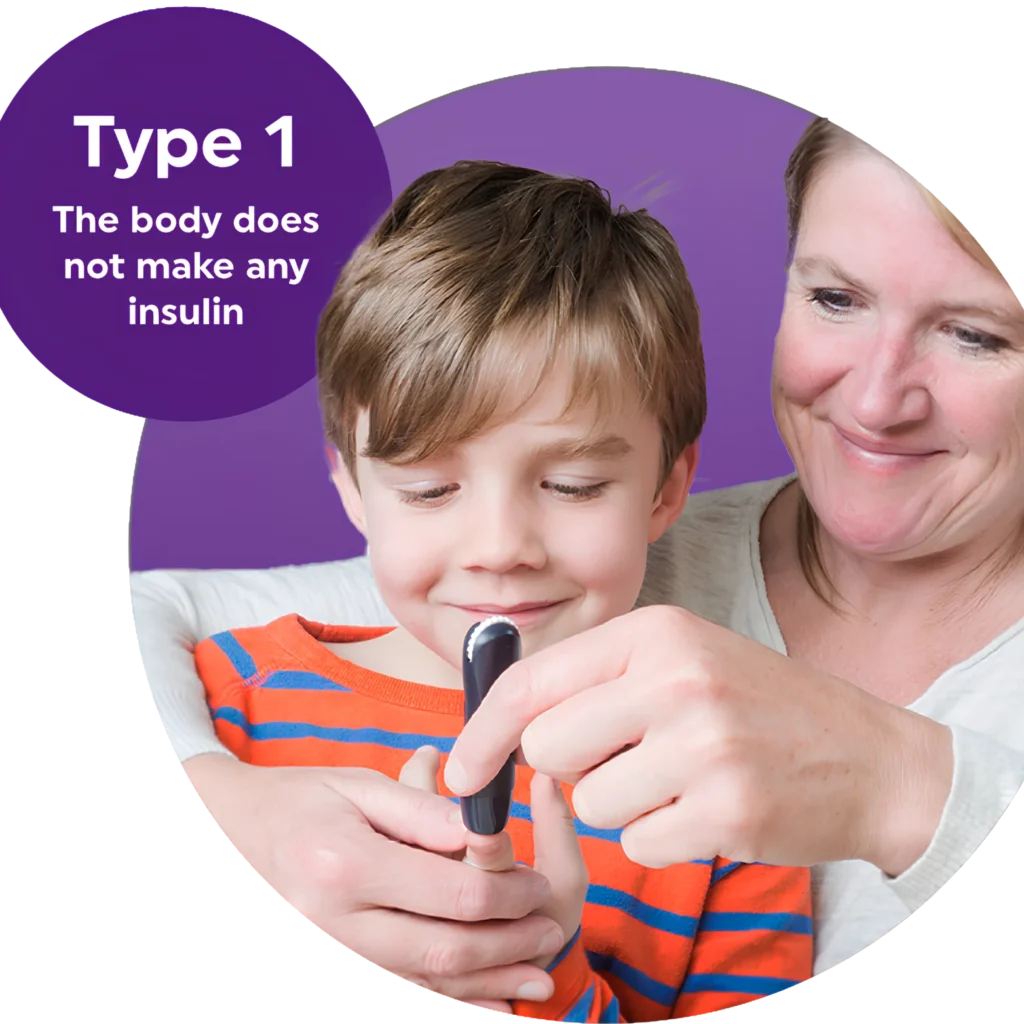
Type 1 diabetes remains the most common form of diabetes in children, resulting from autoimmune destruction of the insulin-producing cells in the pancreas. It typically presents more acutely than type 2 diabetes, often with the classic symptoms of excessive thirst, frequent urination, and weight loss developing over a relatively short period — sometimes progressing to diabetic ketoacidosis if not recognized promptly.
Symptoms of Type 1 Diabetes in Children
Managing type 1 diabetes in children involves lifelong insulin therapy, along with education for the child and family on blood sugar monitoring, carbohydrate counting, and recognizing hypoglycemia — a routine that has to fit around school, growth, and normal childhood activity.
Can Children Develop Type 2 Diabetes?
Type 2 diabetes, once considered an adult-onset condition, is increasingly being diagnosed in children and adolescents, closely linked to rising rates of childhood obesity and sedentary lifestyles. This shift has made lifestyle counseling for children and families an increasingly important part of pediatric care, alongside monitoring for early signs of insulin resistance in at-risk children.
Diabetes Management in Older Adults
Diabetes management in older adults requires a different set of priorities compared to younger patients:
Blood Sugar Goals for Older Adults
Very tight blood sugar control isn’t always appropriate in elderly patients, particularly those with limited life expectancy, multiple coexisting conditions, or cognitive impairment. In these cases, the risk of hypoglycemia — which can cause falls, confusion, or cardiac events — often outweighs the benefit of strict control, and treatment targets are typically relaxed accordingly.
Choosing Diabetes Medications Safely
Kidney function naturally declines with age, which affects how diabetes medications are dosed and which ones are safe to use. Drugs with a higher hypoglycemia risk, such as sulfonylureas and insulin, require particular caution and often simplified regimens in older patients, especially those living alone or with memory difficulties.
Preventing Falls and Hypoglycemia
In elderly patients, diabetes care increasingly considers functional status alongside blood sugar numbers — factoring in vision, mobility, cognitive function, and the practical ability to manage medications, diet, and monitoring independently or with caregiver support.
Managing Multiple Health Conditions
Older adults with diabetes often manage several other chronic conditions simultaneously, making careful review of all medications important to avoid drug interactions and unnecessary complexity in daily routines.
How Diabetes in Pregnancy Management Changes During Pregnancy, Childhood, and Older Age
Whether the patient is a pregnant woman, a child, or an elderly adult, the same principle from earlier in this series holds true: diabetes doesn’t present or behave identically in every person, and care must be tailored to the individual rather than applied as a fixed protocol. What counts as “good control” for a 70-year-old with multiple health conditions looks very different from what’s appropriate for a pregnant woman or a growing child.
Frequently Asked Questions About Diabetes in Pregnancy
Does gestational diabetes go away after delivery?
In most cases, blood sugar returns to normal after childbirth. However, women who’ve had gestational diabetes carry a significantly higher long-term risk of developing type 2 diabetes and are generally advised to have follow-up glucose testing after delivery and periodic screening afterward.
Can type 2 diabetes really occur in children?
Yes. While type 1 diabetes remains more common in children overall, type 2 diabetes is being diagnosed at increasing rates in children and adolescents, largely linked to rising obesity rates.
Why do doctors sometimes allow higher blood sugar targets in elderly patients?
Because the risks of very tight control — particularly hypoglycemia, which can cause falls or confusion — can outweigh the benefits in older adults with limited life expectancy or significant coexisting conditions. Targets are individualized rather than uniformly strict.
Is insulin safe during pregnancy?
Yes, insulin is considered safe and is often the preferred treatment for blood sugar control during pregnancy when diet alone isn’t sufficient, since it doesn’t cross the placenta in a way that affects the baby.
Should children with a family history of diabetes be screened even without symptoms?
Yes, particularly for type 2 diabetes risk in children who are overweight and have additional risk factors such as family history, since — as discussed earlier in this series — type 2 diabetes can be silent in its early stages regardless of age.

Key Takeaways of Diabetes in Pregnancy
– Gestational diabetes is common, usually manageable with diet and monitoring, and carries long-term type 2 diabetes risk for the mother.
– Type 1 diabetes remains the leading form in children, though type 2 diabetes is rising alongside childhood obesity.
– Elderly patients often need individualized, relaxed blood sugar targets to balance control against hypoglycemia risk, falls, and overall functional status.
– Across all three groups, diabetes care must be tailored to the individual rather than following a single fixed approach.
Conclusion
Diabetes in pregnancy, children, and older adults requires personalized care because each stage of life presents unique challenges. Early diagnosis, regular monitoring, healthy lifestyle choices, and individualized treatment plans help reduce complications and improve long-term health outcomes. Working closely with your healthcare provider ensures that diabetes management is tailored to your specific needs.Learn more about Diabetes Mellitus Complications and Monitoring to understand how regular screening can help prevent serious health problems.