
Diabetes Mellitus Diet, Lifestyle, and Medication Management: A Practical Guide
Diabetes mellitus treatment begins with healthy lifestyle habits, balanced nutrition, and regular physical activity. In Part 3 of this series, we looked at how diabetes mellitus presents and how it’s diagnosed. Now that we understand what a diagnosis means, the next question most patients ask is: “What do I actually need to change in my daily life?”
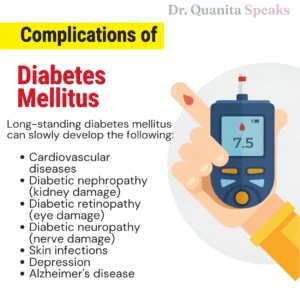
Diabetes Mellitus Treatment isn’t only about medication. Diet and lifestyle form the foundation of blood sugar control, and for many people with prediabetes or early type 2 diabetes, these changes alone can meaningfully delay or even prevent disease progression. Also check the complications for Diabetes Mellitus
Diabetes Mellitus Treatment Begins with Diet and Lifestyle
Blood sugar levels respond directly to what, when, and how much a person eats, as well as to physical activity, sleep, and stress. Medications work best when layered on top of consistent lifestyle habits — not as a substitute for them.
This is why most diabetes care guidelines list nutrition therapy and physical activity as first-line interventions, alongside or even before pharmacological treatment in early type 2 diabetes.
Diabetes Mellitus Diet: Building a Healthy Eating Plan
There is no single universal “diabetic diet” — the right plan depends on a person’s weight, activity level, cultural food preferences, and any coexisting conditions. That said, several core principles apply broadly:
1. Prioritize Low Glycemic Index (GI) Foods
Foods that release glucose slowly help avoid sharp blood sugar spikes. Examples include whole grains, legumes, most vegetables, and fruits with skin and fiber intact, as opposed to refined carbohydrates and sugary drinks.
2. Balance Carbohydrates, Protein, and Fat for Diabetes Mellitus Treatment
Rather than eliminating carbohydrates entirely, the goal is portion control and pairing carbohydrates with protein or healthy fats to slow glucose absorption — for example, fruit with nuts, or rice with dal and vegetables rather than rice alone.
3. Increase Fiber Intake for Diabetes Mellitus Treatment
Fiber-rich foods — vegetables, legumes, whole grains, and fruits — slow digestion, improve satiety, and support better glycemic control over time.
4. Limit Added Sugars and Refined Carbohydrates for Diabetes Mellitus Treatment
Sugary beverages, sweets, white bread, and heavily processed snacks cause rapid blood sugar spikes and offer little nutritional value in return.
5. Practice Portion Control and Meal Timing for Diabetes Mellitus Treatment
Eating consistent, moderate portions at regular intervals — rather than large infrequent meals — helps prevent both hyperglycemia after eating and hypoglycemia between meals, particularly for those on insulin or sulfonylureas.
6. Stay Adequately Hydrated for Diabetes Mellitus Treatment
Water should be the primary beverage of choice. Sugary drinks, including many fruit juices, can undo the benefit of an otherwise well-balanced diet.
Physical Activity in Diabetes Mellitus Treatment
Exercise improves insulin sensitivity, helps with weight management, and independently lowers blood sugar – sometimes within hours of a single session. General recommendations include:
– At least 150 minutes per week of moderate-intensity aerobic activity, such as brisk walking, cycling, or swimming, spread across most days of the week
– Resistance or strength training at least twice a week, which improves muscle glucose uptake
– Avoiding prolonged periods of sitting even short walking breaks every 30 minutes can help blunt post-meal glucose spikes
Anyone starting a new exercise routine, particularly those on insulin or sulfonylureas, should be counselled on the risk of hypoglycemia and how to monitor for it during and after activity.
Weight Management for Diabetes Mellitus Treatment
For overweight or obese individuals with type 2 diabetes, even modest weight loss around 5–7% of body weight has been shown to meaningfully improve blood sugar control and, in some cases, lead to remission when achieved early in the disease course. Weight loss achieved through a combination of diet and physical activity tends to be more sustainable than diet changes alone.
Lifestyle Changes That Improve Diabetes Management
Blood sugar control isn’t only about food and exercise:
– Sleep: Poor sleep quality and short sleep duration are associated with insulin resistance and harder-to-control blood sugar.
– Stress: Chronic stress raises cortisol, which can elevate blood sugar independently of diet. Stress-management techniques – including regular physical activity, relaxation practices, and adequate rest – can support better control.
– Smoking and alcohol: Smoking worsens insulin resistance and vascular complications, while excessive alcohol intake can cause unpredictable swings in blood sugar, including delayed hypoglycemia.
Diabetes Medications: When Lifestyle Changes Aren’t Enough
For many patients of Diabetes Mellitus Treatment, lifestyle changes alone aren’t sufficient to bring blood sugar into target range, and medication becomes necessary.
The typical approach though it varies from patient to patient — starts with lifestyle modification, moves to oral or injectable drugs if targets aren’t met, and progresses to insulin when needed.
Some patients, however, present with very high blood sugar at diagnosis, marked symptoms, or a catabolic state, and in these cases doctors may start insulin straight away rather than working through the usual step-wise sequence. There is no single “correct” order for every patient — the choice depends on how high the blood sugar is at presentation, the presence of complications, kidney and heart status, weight, and the patient’s overall clinical picture.
Commonly prescribed medication classes include:
Metformin for Diabetes Mellitus Treatment
Usually the first-line oral drug for type 2 diabetes. It reduces glucose production by the liver and improves insulin sensitivity, is weight-neutral to modestly weight-reducing, and carries a low risk of hypoglycemia on its own.
SGLT2 Inhibitors (e.g., Empagliflozin, Dapagliflozin)
These work by causing the kidneys to excrete excess glucose in the urine, independent of insulin. Beyond glucose control, they’ve become valued for benefits well beyond blood sugar.
DPP-4 Inhibitors (e.g., Linagliptin)
These enhance the body’s own incretin hormones, helping the pancreas release insulin appropriately after meals, with a low risk of hypoglycemia and general weight neutrality.
Pioglitazone for Diabetes Mellitus Treatment
A thiazolidinedione that improves insulin sensitivity in muscle and fat tissue. It can be effective for glucose control but requires caution in patients with heart failure or a tendency toward fluid retention, and long-term use has been linked to weight gain and bone density concerns in some patients.
GLP-1 Receptor Agonists
Injectable (and some oral) agents that stimulate insulin release, suppress glucagon, slow gastric emptying, and reduce appetite — often leading to meaningful weight loss alongside glucose control.
Sulfonylureas
Older, effective, and inexpensive drugs that stimulate the pancreas to release more insulin, though they carry a higher risk of hypoglycemia and modest weight gain compared to newer classes.
Insulin
Used when oral or injectable non-insulin agents are insufficient, or as first-line therapy in patients presenting with very high blood sugar, significant symptoms, or a catabolic state. Insulin remains the most effective glucose-lowering therapy available and is not a “last resort” reserved only for treatment failure — in the right clinical scenario, it’s the right first choice.
Clearing Up a Common Misconception
Many patients worry that diabetes medications themselves damage the kidneys, often based on outdated impressions or experiences with older drug classes. In fact, several newer medications do the opposite.
SGLT2 inhibitors such as empagliflozin have been shown in large clinical trials to slow the progression of chronic kidney disease and reduce the risk of heart failure hospitalization and cardiovascular death, independent of their blood-sugar-lowering effect.
DPP-4 inhibitors like linagliptin are generally well tolerated even in patients with reduced kidney function and don’t carry the kidney-damage risk many patients fear.
Beyond the kidneys and heart, several of these newer agents — particularly SGLT2 inhibitors and GLP-1 receptor agonists — also support meaningful weight loss, making them especially useful in patients with obesity alongside diabetes.
It’s worth reassuring patients that modern diabetes pharmacotherapy, used appropriately, tends to protect these organs rather than harm them.
Monitoring Blood Sugar During Diabetes Mellitus Treatment
Regular self-monitoring of blood glucose, or periodic HbA1c testing as advised by a physician, helps patients and doctors see whether diet and lifestyle changes are working — and adjust accordingly before problems develop. This feedback loop is often what keeps lifestyle changes sustainable, since patients can directly see the impact of their choices.
Frequently Asked Questions
Can diabetes mellitus be treated with diet and lifestyle alone?
For some people, especially those with prediabetes or early type 2 diabetes, yes — sustained changes in diet, weight, and activity can keep blood sugar in target range. However, many patients eventually need medication as the disease progresses, and this doesn’t mean lifestyle efforts have failed; it simply reflects how diabetes naturally behaves over time.
Do diabetes medications damage the kidneys?
This is a common misconception. Older drug classes required caution in certain kidney conditions, but several newer medications — particularly SGLT2 inhibitors like empagliflozin — have been shown to slow kidney disease progression rather than cause it. DPP-4 inhibitors like linagliptin are also generally well tolerated in patients with reduced kidney function.
Is insulin only used when other treatments fail?
No. While insulin is often introduced after oral or injectable drugs stop working well enough, some patients need insulin from the very start — particularly if they present with very high blood sugar, marked symptoms, or a catabolic state at diagnosis. The right starting point varies from patient to patient.
Which diabetes medications also help with weight loss?
SGLT2 inhibitors and GLP-1 receptor agonists are both associated with weight loss alongside their glucose-lowering effects, making them useful options for patients managing diabetes and obesity together.
How much weight loss is needed to improve blood sugar control?
Even a modest reduction of about 5–7% of body weight has been shown to meaningfully improve blood sugar control, and in some cases achieved early in the disease course, it can lead to remission.
How often should blood sugar or HbA1c be checked once treatment starts?
Diabetes Mellitus Treatment depends on the individual treatment plan and should be guided by a physician, but HbA1c is typically checked every 3 months until targets are met and stable, and less frequently afterward, while self-monitoring of blood glucose may be recommended more often for patients on insulin.
Key Takeaways
- Diet and lifestyle are first-line strategies in Diabetes Mellitus Treatment, not an afterthought to medication.
- A diabetes-friendly diet favors low-GI foods, adequate fiber, portion control, and reduced added sugar without requiring one rigid meal plan for everyone.
- Regular aerobic and resistance exercise improves insulin sensitivity and blood sugar control.
- Modest, sustained weight loss can meaningfully improve — and sometimes reverse — early type 2 diabetes.
- Sleep, stress, smoking, and alcohol all influence blood sugar and deserve attention alongside diet and exercise.
- Diabetes Mellitus Treatment typically progresses from lifestyle changes to oral/injectable drugs to insulin, but some patients need insulin from the start – the sequence varies patient to patient.
- Common drug classes include metformin, SGLT2 inhibitors, DPP-4 inhibitors, pioglitazone, GLP-1 receptor agonists, sulfonylureas, and insulin.
- Newer drugs like empagliflozin and linagliptin protect, rather than harm, the kidneys and heart, and some also support weight loss — countering a common misconception that diabetes medications damage the kidneys.
- In Part 5 of this series, we’ll take a closer look at the long-term complications of diabetes mellitus and how regular monitoring helps prevent them.*