
Diabetes Mellitus Complications: Symptoms, Monitoring & Prevention
Diabetes mellitus complications can affect the eyes, kidneys, nerves, heart, and blood vessels when blood sugar remains uncontrolled over time. Early monitoring and regular screening play a vital role in preventing long-term damage.
In the previous blog, we covered how diet, lifestyle, and medications work together to manage diabetes mellitus. Now we’ll explore what happens if diabetes isn’t well controlled and how complications can be detected early.
Diabetes Mellitus Complications generally fall into two broad categories:
microvascular (affecting small blood vessels — the eyes, kidneys, and nerves) and
macrovascular (affecting large blood vessels — the heart and brain). Importantly, most of these complications develop silently over years, which is exactly why routine monitoring matters even when a patient feels completely well.
Microvascular Diabetes Mellitus Complications
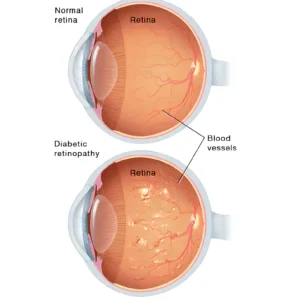
Diabetic Retinopathy
Prolonged high blood sugar damages the small blood vessels of the retina, and this is one of the leading causes of blindness in adults worldwide. Early stages often produce no symptoms at all, which is why an annual dilated eye exam is recommended for most patients with diabetes, regardless of whether vision problems are noticed.
Diabetic Nephropathy
Diabetes is a leading cause of chronic kidney disease. Damage to the kidney’s filtering units develops gradually and is typically detected through urine tests for protein (albuminuria) and blood tests for kidney function, well before any symptoms appear. Once again — the absence of symptoms doesn’t mean the absence of damage.
Diabetic Neuropathy
Nerve damage, most commonly affecting the feet and legs, can present as burning, tingling, numbness, or reduced sensation. Because reduced sensation can mask injuries, patients with neuropathy are at higher risk of unnoticed cuts or wounds progressing to serious infections — which is why routine foot examinations are a standard part of diabetes care.
Macrovascular Diabetes Mellitus Complications
Cardiovascular Disease
People with diabetes face a significantly higher risk of heart attack and stroke compared to the general population, driven by accelerated damage to blood vessels combined with commonly coexisting conditions like high blood pressure and abnormal cholesterol. This is one of the reasons blood pressure and lipid management are treated as core parts of diabetes care, not as separate, unrelated concerns.
Peripheral Arterial Disease
Reduced blood flow to the legs and feet, often compounded by neuropathy, increases the risk of poor wound healing, infection, and in advanced cases, limb-threatening complications. Regular foot checks and awareness of symptoms like leg pain on walking are important preventive measures.
Other Long-Term Diabetes Mellitus Complications
– Delayed wound healing and infections, particularly of the skin, urinary tract, and feet
– Diabetic ketoacidosis (DKA), a potentially life-threatening acute complication seen mainly in type 1 diabetes, or in type 2 diabetes during severe illness or stress
– Hyperosmolar hyperglycemic state, a severe acute complication more common in older adults with type 2 diabetes
– Cognitive effects, with growing evidence linking poorly controlled diabetes to an increased long-term risk of cognitive decline
Diabetes Monitoring to Prevent Complications
Because most of these complications progress silently, monitoring isn’t just about tracking blood sugar – it’s about catching organ damage before it becomes irreversible. A typical, comprehensive monitoring schedule includes:
– HbA1c testing, usually every 3–6 months depending on how well blood sugar is controlled
– Annual dilated eye examination to screen for retinopathy
– Annual urine test for albuminuria and blood test for kidney function
– Regular foot examinations, including sensation testing, at every relevant visit
– Blood pressure checks at every visit, given how closely hypertension and diabetes-related vascular damage are linked
– Lipid profile, typically annually or as guided by a physician
– Self-monitoring of blood glucose, particularly for patients on insulin or at higher risk of hypoglycemia
This is also why the family history and variable-symptom points raised earlier in this series matter so much: a patient with a strong family history, or one presenting with vague symptoms like fatigue or foot numbness, may already have some degree of organ involvement by the time of diagnosis – making baseline screening at diagnosis just as important as ongoing monitoring afterward.
The Encouraging Part: Preventing Diabetes Mellitus Complications
The evidence here is genuinely reassuring: consistent blood sugar control, blood pressure management, and regular screening dramatically reduce the risk of every complication described above. Diabetes complications are not an inevitable consequence of the diagnosis — they are, in large part, a consequence of unmonitored, uncontrolled disease over time. This is precisely why the diet, lifestyle, and medication strategies discussed in Part 4 aren’t just about day-to-day symptom control; they’re the tools that prevent the long-term damage described here.
Frequently Asked Questions of Diabetes Mellitus Complications
Can Diabetes Mellitus Complications be reversed once they develop?
Some Diabetes Mellitus Complications early-stage changes, such as mild albuminuria or early retinopathy, can improve or stabilize with tighter blood sugar and blood pressure control. More advanced damage is often harder to reverse, which is why early detection through regular screening is so valuable.
How often should someone with Diabetes Mellitus Complications get their eyes checked?
An annual dilated eye examination is generally recommended, even without any visual symptoms, since retinopathy often has no symptoms in its early, most treatable stages.
Is diabetic neuropathy always painful?
No. Neuropathy can present as pain, burning, or tingling, but it can also cause numbness or reduced sensation without any pain at all — which is actually more dangerous, since injuries may go unnoticed.
Does good blood sugar control really prevent Diabetes Mellitus Complications?
Yes. Long-term studies have consistently shown that sustained blood sugar and blood pressure control substantially reduces the risk of microvascular and macrovascular complications.
Why do doctors check the kidneys and eyes even if I feel fine?
Because diabetic kidney and eye damage typically progress without any noticeable symptoms until they’re fairly advanced. Screening is designed to catch damage at a stage where it can still be slowed or stabilized.
Key Takeaways of Diabetes Mellitus Complications
– Diabetes complications fall into microvascular (eyes, kidneys, nerves) and macrovascular (heart, brain, blood vessels) categories.
– Most complications progress silently, which is why regular screening matters even in patients who feel well.
– Comprehensive monitoring includes HbA1c, annual eye and kidney screening, foot exams, blood pressure, and lipid checks.
– Complications are largely preventable with consistent blood sugar and blood pressure control — they are not an inevitable outcome of a diabetes diagnosis.