
Thyroid Problems in Women: Symptoms, Causes, Diagnosis & Treatment
Thyroid problems in women are more common than many people realize and can affect everything from your energy levels and metabolism to your menstrual cycle, fertility, and emotional well-being. Because the symptoms often develop gradually, they are frequently mistaken for stress, aging, or hormonal changes. The two most common thyroid disorders—hypothyroidism (underactive thyroid) and hyperthyroidism (overactive thyroid)—can significantly impact your quality of life if left untreated. Understanding the early warning signs, causes, and treatment options can help you seek medical care sooner and protect your long-term health.
Thyroid problems in women occur when the thyroid gland produces too much or too little thyroid hormone. Common symptoms include fatigue, unexplained weight changes, hair loss, irregular periods, dry skin, anxiety, and difficulty concentrating. Most thyroid disorders can be diagnosed with blood tests and effectively managed through medication, lifestyle changes, and regular medical follow-up.
Quick Facts About Thyroid Problems in Women
| Fact | Details |
|---|---|
| Common Disorders | Hypothyroidism and Hyperthyroidism |
| Most Affected | Women aged 20–60 years |
| Main Symptoms | Fatigue, weight changes, hair loss, irregular periods |
| Diagnosis | TSH, Free T4, Free T3, thyroid antibodies, ultrasound (when needed) |
| Treatment | Medication, healthy diet, regular monitoring |
| Risk Factors | Family history, autoimmune disease, pregnancy, menopause |
What Are Thyroid Problems in Women?
The thyroid is a small butterfly-shaped gland located at the front of your neck. Although small, it plays a vital role in regulating thyroid hormone function, which influences metabolism, heart rate, body temperature, digestion, mood, and reproductive health.
When the thyroid gland produces too little hormone, the condition is called hypothyroidism. When it produces too much hormone, it is known as hyperthyroidism. Both conditions affect the body’s normal functions and can cause symptoms that interfere with daily life.
Women are significantly more likely than men to develop thyroid disorders because hormonal changes during puberty, pregnancy, postpartum recovery, and menopause can influence thyroid function.
Types of Thyroid Problems in Women
1. Hypothyroidism (Underactive Thyroid)
Hypothyroidism occurs when the thyroid gland doesn’t produce enough thyroid hormones. This slows down your metabolism and can lead to fatigue, weight gain, dry skin, constipation, depression, and thyroid disease and hair loss.
The most common cause is Hashimoto’s thyroiditis, an autoimmune condition in which the immune system gradually attacks the thyroid gland.
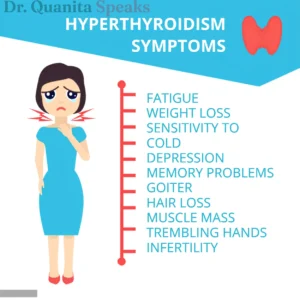
2. Hyperthyroidism (Overactive Thyroid)
Hyperthyroidism develops when the thyroid produces excessive hormones, causing the body’s metabolism to speed up.
Women with hyperthyroidism may experience thyroid weight loss, rapid heartbeat, anxiety, tremors, excessive sweating, difficulty sleeping, and increased appetite.
The leading cause is Graves’ disease, another autoimmune disorder.
3. Thyroiditis
Thyroiditis refers to thyroid inflammation, which may occur after pregnancy, following a viral infection, or due to autoimmune disease. Symptoms can vary depending on the type and stage of inflammation.
4. Thyroid Nodules and Goiter
Some women develop thyroid nodules or an enlarged thyroid gland (goiter). While many nodules are harmless, they should always be evaluated by a healthcare professional to rule out underlying thyroid disease or, less commonly, thyroid cancer.
Symptoms of Thyroid Problems in Women
The symptoms of thyroid problems in women depend on whether the thyroid gland is producing too little or too much thyroid hormone. While hypothyroidism slows the body’s functions, hyperthyroidism speeds them up. Because these symptoms often develop gradually, they are sometimes mistaken for stress, aging, or hormonal changes.
Common Symptoms at a Glance
✔ Persistent fatigue or low energy
✔ Unexplained weight gain or thyroid weight loss
✔ Hair thinning or excessive hair shedding
✔ Dry skin and brittle nails
✔ Irregular or heavy menstrual periods
✔ Difficulty getting pregnant
✔ Depression, anxiety, or mood swings
✔ Feeling unusually cold or hot
✔ Rapid or slow heartbeat
✔ Constipation or frequent bowel movements
✔ Muscle weakness
✔ Brain fog and difficulty concentrating
If you notice several of these symptoms lasting for more than a few weeks, it’s important to speak with your healthcare provider for proper evaluation.
Fatigue That Doesn’t Improve with Rest
One of the most common symptoms of hypothyroidism is ongoing fatigue. Women often describe feeling exhausted even after getting enough sleep. Everyday activities such as climbing stairs, exercising, or working can become unusually difficult because the body’s metabolism has slowed.
Unexplained Weight Changes
The thyroid gland plays a key role in regulating metabolism.
- Hypothyroidism often causes gradual weight gain or makes it difficult to lose weight despite eating a balanced diet.
- Hyperthyroidism can lead to thyroid weight loss, where you lose weight even though your appetite has increased.
If your weight changes significantly without changes to your diet or activity level, a thyroid evaluation may be appropriate.
Hair Loss and Changes in Hair Texture
Healthy thyroid hormone levels help support normal hair growth. When hormone levels become imbalanced, hair follicles may enter a resting phase too early, leading to noticeable hair thinning.
Many women with thyroid disorders experience:
- Increased hair shedding
- Thinning hair around the scalp
- Dry or coarse hair
- Slower hair growth
Although thyroid disease and hair loss are closely linked, hair often begins to improve after thyroid hormone levels are properly managed.
Menstrual Changes and Fertility Problems in Women
Thyroid hormones work closely with reproductive hormones. An imbalance can affect ovulation and menstrual cycles.
Women with thyroid disorders may experience:
- Irregular periods
- Heavy menstrual bleeding
- Missed periods
- Difficulty becoming pregnant
- Increased risk of pregnancy complications if left untreated
Because thyroid disorders can affect fertility, women planning pregnancy should discuss thyroid screening with their healthcare provider if symptoms are present.
Mood Changes and Brain Fog with Thyroid Problems in Women
Changes in thyroid hormone levels can also affect mental health.
Women with hypothyroidism often report:
- Depression
- Memory problems
- Difficulty concentrating
- Slower thinking
Women with hyperthyroidism may experience:
- Anxiety
- Irritability
- Panic attacks
- Restlessness
- Trouble sleeping
These symptoms often improve once thyroid hormone levels return to a healthy range.
Changes in Body Temperature
Since thyroid hormones help regulate body temperature, thyroid disorders can make you unusually sensitive to temperature changes.
- Women with hypothyroidism often feel cold even in warm environments.
- Women with hyperthyroidism may experience excessive sweating and heat intolerance.
Heart Rate Changes with Thyroid Problems in Women
The thyroid has a direct effect on heart function.
Hypothyroidism may cause:
- Slow heartbeat
- Fatigue during physical activity
- Mild swelling
Hyperthyroidism may cause:
- Rapid heartbeat
- Heart palpitations
- Shortness of breath
- Increased blood pressure
Any sudden changes in heart rhythm should be evaluated promptly.
What Causes Thyroid Problems in Women?
There is no single cause of thyroid disease. Instead, several genetic, hormonal, and environmental factors can affect thyroid gland function.
Autoimmune Diseases
Autoimmune conditions are the leading cause of thyroid disorders.
The two most common include:
- Hashimoto’s thyroiditis, which causes hypothyroidism.
- Graves’ disease, which causes hyperthyroidism.
In these conditions, the immune system mistakenly attacks the thyroid gland, affecting its ability to produce hormones.
Hormonal Changes with Thyroid Problems in Women
Women’s hormones fluctuate throughout life, making thyroid disorders more common during periods of hormonal change, including:
- Puberty
- Pregnancy
- After childbirth (postpartum period)
- Perimenopause
- Menopause
These stages can sometimes trigger thyroid dysfunction in women who are already genetically predisposed.
Family History
If your mother, sister, or another close relative has thyroid disease, your risk of developing a thyroid disorder is higher. While you cannot change your genetics, knowing your family history can help with early screening and diagnosis.
Iodine Imbalance
The thyroid gland requires iodine to produce thyroid hormones.
- Too little iodine can contribute to hypothyroidism.
- Excess iodine may trigger thyroid problems in some individuals, particularly those with underlying thyroid disease.
Most people obtain enough iodine through a balanced diet, especially when using iodized salt.
Certain Medications and Medical Treatments
Some medications and treatments can interfere with thyroid hormone production or damage thyroid tissue. These include:
- Certain heart medications
- Lithium
- Radiation therapy to the neck
- Some cancer treatments
If you’re taking long-term medications, your doctor may recommend periodic thyroid function testing.
Risk Factors of thyroid problems in women
You may have a higher risk of developing thyroid problems in women if you:
- Are female
- Are over 35 years of age
- Have a family history of thyroid disease
- Have another autoimmune condition, such as type 1 diabetes or rheumatoid arthritis
- Are pregnant or recently gave birth
- Have experienced menopause
- Have previously received radiation therapy to the neck
- Have a history of thyroid nodules or thyroid surgery
Having one or more of these risk factors doesn’t mean you’ll develop thyroid disease, but it does make regular medical checkups more important.
How Are Thyroid Problems Diagnosed?
Diagnosing thyroid disorders involves a combination of your symptoms, medical history, physical examination, and laboratory tests. There is no single test that diagnoses every thyroid condition, so healthcare providers use several tools to evaluate thyroid hormone levels and determine how well your thyroid is functioning.
Medical History and Physical Examination
Your doctor will ask about:
- Your symptoms
- Menstrual cycle changes
- Pregnancy history
- Family history of thyroid disease
- Current medications
- Weight changes
- Fat or cold intolerance
During the physical examination, they may check for:
- Enlargement of the thyroid gland (goiter)
- Thyroid nodules
- Changes in heart rate
- Dry skin
- Hair thinning
- Swelling around the neck
Blood Tests
Blood tests are the most reliable way to assess thyroid problems in women
Common tests include:
- TSH (Thyroid-Stimulating Hormone): Often the first test used to evaluate thyroid function.
- Free T4: Measures the amount of active thyroxine circulating in your blood.
- Free T3: May help diagnose hyperthyroidism in certain situations.
- Thyroid Antibody Tests: Help identify autoimmune thyroid diseases such as Hashimoto’s thyroiditis and Graves’ disease.
These tests help your healthcare provider determine whether you have an underactive or overactive thyroid and guide the most appropriate treatment plan.
Imaging Tests
Depending on your symptoms or examination findings, your doctor may recommend additional imaging, such as:
- Thyroid ultrasound to evaluate nodules or enlargement.
- Radioactive iodine uptake scan in selected cases of hyperthyroidism.
These tests are not needed for everyone but can provide valuable information when blood tests alone do not explain the cause of your symptoms.
Treatment for Thyroid Problems in Women
The treatment for thyroid problems in women depends on the type of thyroid disorder, its severity, your age, overall health, and whether you’re pregnant or planning to conceive. Most thyroid conditions can be successfully managed with the right treatment plan, allowing women to live healthy and active lives.
Never start or stop thyroid medication without consulting your healthcare provider. Regular monitoring of thyroid hormone levels is essential to ensure your treatment remains effective.
Treatment for Hypothyroidism (Underactive Thyroid)
Hypothyroidism is usually treated with levothyroxine, a synthetic form of the thyroid hormone thyroxine (T4). This medication replaces the hormone your thyroid is no longer producing in sufficient amounts.
Benefits of treatment include:
- Increased energy levels
- Improved metabolism
- Better concentration and memory
- Reduced hair loss
- Improved menstrual regularity
- Healthier cholesterol levels
- Better overall quality of life
Your doctor will monitor your TSH and Free T4 levels and adjust the dosage if needed. It may take several weeks before symptoms begin to improve.
Tip: Take thyroid medication on an empty stomach, usually 30–60 minutes before breakfast, and avoid taking calcium or iron supplements within four hours unless your healthcare provider advises otherwise.
Treatment for Hyperthyroidism (Overactive Thyroid)
The goal of treatment is to reduce the production of excess thyroid hormones and relieve symptoms.
Depending on the underlying cause, treatment may include:
Anti-thyroid medications
Medicines such as methimazole (or propylthiouracil in selected situations) reduce the thyroid gland’s hormone production.
Radioactive iodine therapy
Radioactive iodine is sometimes used to gradually reduce thyroid activity by shrinking overactive thyroid tissue. Your endocrinologist will determine if this treatment is appropriate.
Surgery
Thyroid surgery may be recommended for women with large goiters, suspicious thyroid nodules, or hyperthyroidism that does not respond to other treatments.
Medications to control thyroid problems in women
Beta-blockers may be prescribed to reduce symptoms such as:
- Rapid heartbeat
- Tremors
- Anxiety
- Heart palpitations
These medications help control symptoms but do not treat the underlying thyroid disorder.
Lifestyle Changes That Support Thyroid Health
Medication is often the cornerstone of treatment, but healthy daily habits can also support thyroid health in women and improve overall well-being.
Eat a Balanced, Nutrient-Rich Diet
A healthy eating pattern supports hormone production, metabolism, and overall health.
Focus on:
- Lean proteins
- Fresh vegetables
- Fruits
- Whole grains
- Healthy fats
- Plenty of water
Rather than following restrictive “thyroid diets,” aim for balanced meals that provide consistent nutrition.
Key Nutrients for a Healthy Thyroid
Certain nutrients are important for normal thyroid functions in women
Iodine
Iodine is essential for making thyroid hormones. Most people get enough iodine through iodized salt, dairy products, seafood, and eggs. Both too little and too much iodine can affect thyroid function, so supplements should only be used if recommended by a healthcare professional.
Selenium
Selenium supports thyroid hormone metabolism and antioxidant function.
Good sources include:
- Brazil nuts (in moderation)
- Tuna
- Sardines
- Eggs
- Whole grains
Zinc
Zinc helps with hormone production and immune function.
Food sources include:
- Beef
- Chicken
- Pumpkin seeds
- Chickpeas
- Lentils
Vitamin D
Many women with autoimmune thyroid disorders also have low vitamin D levels. Your healthcare provider may recommend testing if you are at risk.
Foods to Eat for Better Thyroid Health
While no single food can cure thyroid disease, a balanced diet can support overall health.
Choose foods such as:
- Salmon
- Sardines
- Eggs
- Greek yogurt
- Leafy green vegetables
- Berries
- Citrus fruits
- Sweet potatoes
- Beans
- Oats
- Brown rice
- Avocados
- Nuts and seeds
These foods provide nutrients that support metabolism, heart health, and immune function.
Foods to Limit
There is no need to eliminate foods unless advised by your healthcare provider. However, consider limiting:
- Highly processed foods
- Sugary drinks
- Excess alcohol
- Excessive fast food
- High-sodium processed snacks
If you have hypothyroidism, soy products, high-fiber meals, calcium supplements, and iron supplements can interfere with the absorption of thyroid medication if taken at the same time. Follow your healthcare provider’s guidance on medication timing.
Exercise and Thyroid Health
Regular physical activity offers many benefits for women with thyroid disorders.
Exercise can help:
- Improve energy levels
- Support a healthy weight
- Strengthen muscles
- Improve mood
- Reduce stress
- Support heart health
Aim for at least 150 minutes of moderate-intensity exercise each week, along with strength training on two or more days, if appropriate for your health.
Good options include:
- Brisk walking
- Swimming
- Cycling
- Yoga
- Pilates
- Resistance training
Start gradually if fatigue has limited your activity and consult your healthcare provider before beginning a new exercise program.
Pregnancy and Thyroid Problems in Women
Healthy thyroid hormone levels are important before and during pregnancy because they support both maternal health and fetal development.
Untreated thyroid disorders during pregnancy may increase the risk of:
- Miscarriage
- Preterm birth
- High blood pressure during pregnancy
- Low birth weight
- Developmental problems in the baby
Women who are pregnant or planning pregnancy should discuss thyroid screening with their healthcare provider, especially if they have a history of thyroid disease or symptoms suggestive of thyroid dysfunction.
When Should You See a Doctor?
You should schedule a medical evaluation if you experience:
- Persistent fatigue lasting several weeks
- Unexplained weight gain or weight loss
- Hair thinning or excessive hair loss
- Irregular menstrual periods
- Difficulty becoming pregnant
- Neck swelling or a lump near the thyroid gland
- Heart palpitations
- Feeling unusually cold or hot
- Depression, anxiety, or mood changes that don’t improve
Early diagnosis and treatment can help prevent complications and improve your quality of life.