
Endometriosis vs Period Pain: Symptoms, Differences, and When to See a Doctor
Period pain is common, but pain that is severe, persistent, or interferes with daily life should not automatically be considered normal. Some women experience menstrual cramps because the uterus contracts during a period, while others may have an underlying condition such as endometriosis.
Understanding the difference between endometriosis vs period pain can help you recognize concerning symptoms and know when to seek medical advice.
Endometriosis can cause painful periods, pelvic pain, pain during sexual intercourse, and discomfort during bowel movements or urination. However, not everyone with endometriosis experiences the same symptoms. Some people may have the condition without noticeable pain.
This guide explains what normal period pain feels like, how endometriosis pain may differ, which symptoms deserve attention, and how doctors evaluate and manage the condition.
What Is Normal Period Pain?
Normal period pain, also known as primary dysmenorrhea, is menstrual cramping that occurs without an underlying pelvic disease.
During menstruation, the uterus contracts to help shed its lining. The body produces substances called prostaglandins, which encourage these contractions. Higher levels of prostaglandins may lead to stronger cramps and discomfort.
Common Symptoms of Period Pain
Typical menstrual cramps may include:
-
Cramping in the lower abdomen
-
A dull ache or sharp pain in the lower belly
-
Pain that spreads to the lower back or thighs
-
Mild nausea
-
Headaches
-
Diarrhea or digestive discomfort
Period pain usually begins shortly before or around the start of menstruation. It commonly lasts for up to three days, although the duration and severity can vary.
For many people, cramps can be managed with heat, rest, gentle exercise, or appropriate pain-relief medication recommended by a healthcare professional.
Important: Period pain is common, but pain that prevents you from attending school, working, sleeping, or completing normal activities should not simply be dismissed as part of menstruation.
What Is Endometriosis?
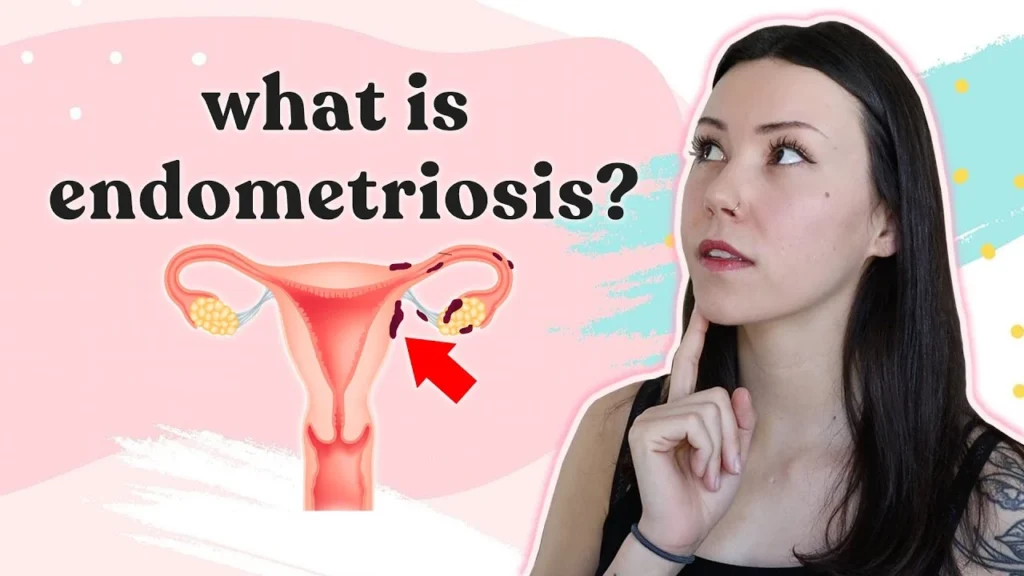
Endometriosis is a chronic condition in which tissue similar to the lining of the uterus grows outside the uterus. It commonly affects areas around the ovaries, fallopian tubes, and pelvic lining. In some cases, it may also involve the bowel or bladder.
This tissue can respond to hormonal changes during the menstrual cycle. Inflammation and scar tissue may develop around affected areas, contributing to pain and other symptoms.
According to the World Health Organization (WHO), endometriosis affects approximately 10% of women and girls of reproductive age worldwide.
Common Symptoms of Endometriosis
Endometriosis symptoms can vary significantly from one person to another. Possible symptoms include:
-
Severe menstrual cramps that may worsen over time
-
Chronic pelvic pain
-
Pain before, during, or after menstruation
-
Pain during or after sexual intercourse
-
Painful bowel movements, particularly during periods
-
Pain while urinating, especially around menstruation
-
Heavy menstrual bleeding or spotting between periods
-
Bloating, nausea, constipation, or diarrhea
-
Difficulty becoming pregnant
Not everyone experiences all these symptoms. Some people with endometriosis have little or no noticeable pain.
endometriosis vs period pain: What Is the Difference?
The key difference is that typical period pain is usually caused by uterine contractions during menstruation, whereas endometriosis is an underlying chronic condition that can cause menstrual pain as well as pain at other times. Understanding endometriosis vs period pain can help you recognize concerning symptoms
Comparison table: common patterns, not a diagnostic test.
| Feature | Typical period pain | Possible endometriosis |
|---|---|---|
| Main cause | Uterine contractions and prostaglandins | Endometriosis-related inflammation and tissue changes |
| Timing | Usually before or during the period | Before, during, or outside the period |
| Duration | Often up to 3 days | May persist or recur throughout the cycle |
| Pain severity | Mild to moderate, sometimes severe | Can be mild, severe, or debilitating |
| Effect on daily life | Often manageable | May interfere with work, school, sleep, or daily activities |
| Pain during sex | Not typical | May occur, especially deep pain |
| Pain during bowel movements | Not typical of ordinary cramps | May occur, particularly around menstruation |
| Pain during urination | Not typical of ordinary cramps | May occur, especially around menstruation |
| Fertility difficulties | Not generally associated | May be associated with infertility |
| Symptoms between periods | Usually limited | May occur |
These patterns overlap. Severe menstrual cramps do not automatically mean endometriosis, and mild cramps do not rule it out. A clinician must evaluate symptoms and other possible causes.The main distinction between endometriosis vs period pain is the underlying cause and pattern of symptoms.”
How to Tell the Difference Between endometriosis vs period pain
Many women search for ways to tell whether their period cramps are normal or could be a sign of endometriosis. There is no single symptom that confirms the condition, but certain patterns deserve medical evaluation.
1. Your Period Pain Is Severe or Getting Worse
Typical menstrual cramps may vary from month to month. However, if your pain is becoming progressively worse or is severe enough to disrupt daily activities, it may indicate an underlying condition.
Endometriosis is one possible cause of worsening menstrual pain. Other conditions, including adenomyosis and uterine fibroids, can also cause painful periods.
2. You Experience Pelvic Pain Outside Your Period
Ordinary menstrual cramps generally occur around the beginning of menstruation.
Endometriosis-related pelvic pain may occur before a period, during menstruation, or at other times in the cycle. Some people experience persistent or recurring pain in the lower abdomen or pelvis.
3. You Have Pain During Sexual Intercourse
Deep pain during or after sexual intercourse can be associated with endometriosis.
This symptom is not exclusive to endometriosis. Other pelvic conditions can also cause pain during sex, so it should be evaluated rather than used as a self-diagnosis.
4. Bowel Movements or Urination Become Painful During Your Period
Some people with endometriosis experience pain while passing stool or urinating, particularly during menstruation.
You may also notice bloating, constipation, diarrhea, or other digestive symptoms. These symptoms can overlap with bowel or urinary conditions, which makes a medical evaluation important.
5. You Experience Difficulty Getting Pregnant
Endometriosis can be associated with fertility difficulties. Inflammation, adhesions, or changes involving the reproductive organs may contribute to problems conceiving.
However, having endometriosis does not mean that pregnancy is impossible. Many people with the condition become pregnant, and fertility options may be available depending on individual circumstances.
When Should You See a Doctor for Painful Periods?
Consider arranging an appointment with a gynecologist if:
-
Your period pain regularly interferes with daily activities.
-
Your menstrual cramps are becoming more severe.
-
Pain occurs outside your period.
-
You experience pain during sex.
-
You have painful bowel movements or urination during menstruation.
-
Your periods have become heavier, more painful, or irregular.
-
You have difficulty becoming pregnant and suspect endometriosis.
These symptoms do not confirm endometriosis, but they are reasons to seek an assessment. NICE recommends considering endometriosis when period-related pain affects daily activities or quality of life, or when certain pelvic, bowel, or urinary symptoms are present.
When Is Pelvic Pain an Emergency?
Seek urgent medical care for sudden, severe pelvic or abdominal pain, particularly if it is accompanied by fainting, fever, persistent vomiting, heavy bleeding, or possible pregnancy.
These symptoms can be caused by conditions other than endometriosis, some of which need immediate treatment. Do not assume sudden severe pain is just a painful period.
How Is endometriosis vs period pain Diagnosed?
If your symptoms suggest endometriosis, your doctor may recommend a combination of medical history, examination, and imaging.
1. Medical and Menstrual History
Your doctor may ask questions about:
-
When your pain begins and how long it lasts
-
Whether pain occurs outside menstruation
-
How heavy your periods are
-
Whether you experience pain during sex, urination, or bowel movements
-
Whether you have difficulty becoming pregnant
-
Whether endometriosis runs in your family
Keeping a menstrual and pain diary can help you describe your symptoms more accurately.
2. Pelvic Examination
A clinician may perform a pelvic examination to check for tenderness, masses, or other signs that may suggest endometriosis.
A pelvic examination alone cannot reliably rule out the condition.
3. Ultrasound or MRI
Your doctor may recommend an ultrasound, including a transvaginal ultrasound when appropriate, to look for ovarian endometriomas or other signs of endometriosis.
MRI may be used in selected cases to assess the extent or location of suspected disease.
A normal ultrasound does not necessarily exclude endometriosis. Some forms of the condition may not be visible on imaging.
4. Laparoscopy
Laparoscopy is a surgical procedure that allows a clinician to examine the pelvis using a small camera. It may be considered in certain cases to investigate or treat suspected endometriosis.
Current guidance recognizes that a diagnosis and treatment plan may sometimes be developed from symptoms and imaging without requiring surgery first.
How Is endometriosis vs period pain Treated?
There is currently no definitive cure for endometriosis, but treatments can help manage pain and other symptoms. The appropriate treatment depends on symptom severity, medical history, possible side effects, and whether the person wishes to become pregnant.
Pain-Relief Medication
Doctors may recommend pain-relief medicines, including nonsteroidal anti-inflammatory drugs (NSAIDs), when suitable.
These medicines can help reduce pain, but they do not eliminate endometriosis itself. They may not be appropriate for everyone, particularly people with certain medical conditions.
Hormonal Treatment
Hormonal treatments may help reduce the frequency or severity of endometriosis-related pain.
Options may include:
-
Combined hormonal contraceptives
-
Progestogen-based treatments
-
Other hormone-modulating medications in selected cases
Hormonal treatment choices should be discussed with a healthcare professional, especially if pregnancy is desired.
Surgery
In selected cases, surgery may be used to remove endometriosis lesions or treat adhesions.
Surgery is not necessary for every person with endometriosis. Symptoms can also persist or return after treatment, so ongoing medical care may be needed.
Can endometriosis vs period pain Be Prevented?
Currently, there is no established way to prevent endometriosis.
However, recognizing symptoms early and seeking appropriate medical care may help people access treatment sooner and reduce the impact of the condition on daily life.
It is also important to understand that lifestyle changes alone cannot cure endometriosis. Healthy habits may support overall well-being, but they should not replace medical assessment or treatment.
Frequently Asked Questions of endometriosis vs period pain
Are severe period cramps always a sign of endometriosis?
No. Severe period cramps can have several causes, including endometriosis, adenomyosis, and uterine fibroids. Severe pain that affects daily life should be evaluated by a healthcare professional.
Can endometriosis and period pain feel like normal period cramps?
Yes. Endometriosis can cause cramping similar to ordinary menstrual pain. However, it may also cause persistent pelvic pain, pain during sex, or pain during bowel movements or urination.
Can you have endometriosis without painful periods?
Yes. Some people with endometriosis have no noticeable symptoms. The condition may sometimes be discovered during an evaluation for infertility or another medical issue.
Does endometriosis cause heavy periods?
Endometriosis may be associated with heavy menstrual bleeding. However, heavy periods can also occur due to other conditions, so the cause should be assessed if bleeding is excessive or changing.
Can endometriosis cause infertility?
Endometriosis is associated with fertility difficulties in some people. However, not everyone with endometriosis experiences infertility, and pregnancy may still be possible naturally or with fertility treatment.
Can endometriosis be diagnosed with an ultrasound?
Ultrasound may help identify certain types of endometriosis, such as ovarian endometriomas. However, a normal ultrasound does not exclude the condition. A clinician may consider symptoms, examination, imaging, and in selected cases, laparoscopy.
Conclusion of endometriosis vs period pain
Period pain is common, but pain that is severe, worsening, persistent, or interfering with daily life deserves attention.
The main difference between endometriosis vs. period pain is that ordinary menstrual cramps are generally related to uterine contractions during menstruation, while endometriosis can cause a broader pattern of pelvic pain and other symptoms.
If you experience painful periods along with pain during sex, bowel movements, urination, or difficulty becoming pregnant, consider discussing your symptoms with a gynecologist.
You do not need to wait until the pain becomes unbearable to seek medical advice. A proper evaluation can help identify the cause and determine which treatment options may be appropriate.
Medical References
-
World Health Organization (WHO)
-
American College of Obstetricians and Gynecologists (ACOG)
-
NHS
-
NICE