
7 Common Symptoms of Endometriosis in Women
Endometriosis is a condition that can affect a woman’s reproductive health, daily activities, and overall quality of life. Many women experience symptoms such as painful periods, pelvic discomfort, bloating, or pain during intercourse. However, these symptoms can sometimes be mistaken for ordinary menstrual problems.
Recognizing the common symptoms of endometriosis in women may help you understand when it is important to seek medical advice.
Endometriosis occurs when tissue similar to the lining of the uterus grows outside the uterus. It can cause inflammation, pain, and sometimes scar tissue. Symptoms vary from person to person, and some women may have endometriosis without experiencing noticeable symptoms.
Here are seven symptoms that may be associated with endometriosis.
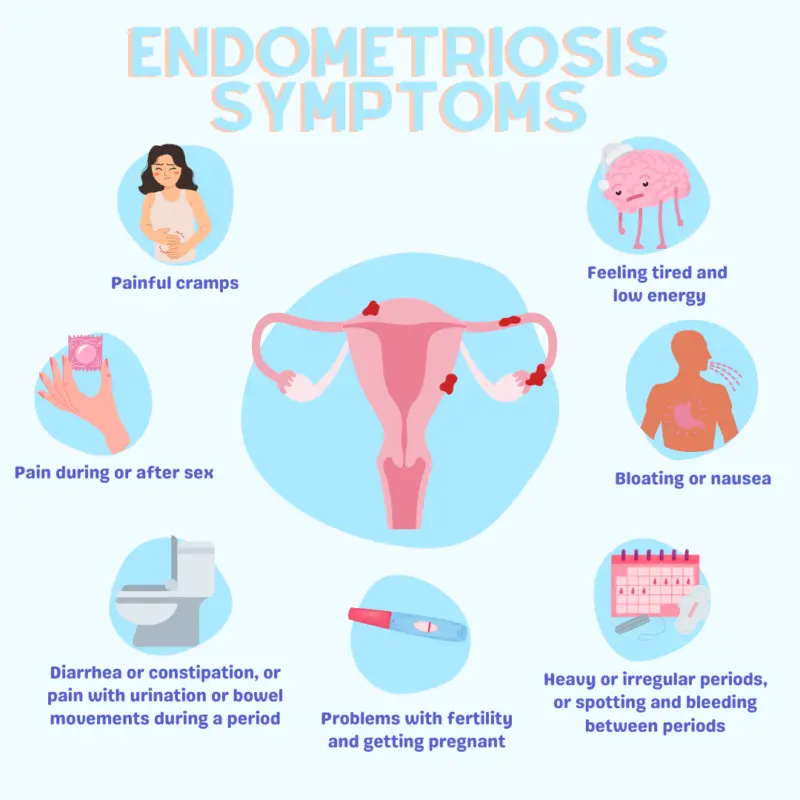
1. Severe or Painful Periods
One of the most common symptoms of endometriosis is severe menstrual pain.
Women may experience intense cramps in the lower abdomen before or during their periods. The pain may spread to the lower back or thighs and may become difficult to manage with usual pain-relief methods.
Unlike typical period cramps, endometriosis-related pain may interfere with everyday activities such as working, studying, walking, or sleeping.
2. Chronic Pelvic Pain
Endometriosis can cause pelvic pain that occurs outside the menstrual period.
Some women experience recurring discomfort in the lower abdomen or pelvic area throughout their menstrual cycle. The pain may feel sharp, aching, or persistent.
Chronic pelvic pain can affect daily life and may make it difficult to maintain normal routines.
3. Pain During or After Sexual Intercourse
Pain during or after sexual intercourse is another possible symptom of endometriosis.
Some women experience deep pelvic pain during intercourse, which may continue afterward. This can affect emotional well-being and relationships.
Pain during intercourse does not always indicate endometriosis. Other conditions can cause similar symptoms, so medical evaluation is important if the pain is recurring.
4. Painful Bowel Movements
Endometriosis may cause discomfort during bowel movements, especially around menstruation.
Women may experience:
-
Pain while passing stool
-
Lower abdominal cramps
-
Constipation or diarrhea
-
Discomfort that becomes worse during periods
In some cases, endometriosis may affect tissue near the bowel. However, digestive symptoms can also be related to other conditions.
5. Bloating and Digestive Problems
Some women with endometriosis experience abdominal bloating, gas, constipation, or diarrhea.
Bloating may become more noticeable before or during menstruation. Some people describe this as “endo belly,” a term commonly used to describe significant abdominal bloating associated with endometriosis.
However, bloating alone does not confirm endometriosis. Digestive disorders and other medical conditions can also cause abdominal swelling.
6. Heavy Menstrual Bleeding
Some women with endometriosis experience heavy periods or bleeding between menstrual cycles.
Heavy bleeding may involve:
-
Periods that last longer than usual
-
Frequently changing menstrual products
-
Passing large blood clots
-
Feeling unusually tired during or after menstruation
Heavy menstrual bleeding is not specific to endometriosis. Conditions such as uterine fibroids and adenomyosis can also cause it.
If heavy bleeding is persistent, discuss it with a healthcare professional.
7. Difficulty Getting Pregnant
Endometriosis can be associated with fertility difficulties in some women.
The condition may contribute to inflammation, scar tissue, or changes involving the reproductive organs. These factors can sometimes make it harder to become pregnant.
However, having endometriosis does not mean a woman cannot conceive. Many women with endometriosis become pregnant naturally or with medical assistance.
If you are trying to conceive and have symptoms of endometriosis, consider discussing your fertility concerns with a gynecologist.
Can You Have Endometriosis Without Painful Periods?
Yes. Some women with endometriosis experience mild symptoms or no noticeable pain at all. Others may primarily experience fertility difficulties or symptoms involving the bowel or bladder.
This is why the absence of severe menstrual cramps does not completely rule out endometriosis.
When Should You See a Doctor?
Consider consulting a gynecologist if:
-
Your period pain regularly interferes with daily activities.
-
You experience pelvic pain outside your period.
-
You have recurring pain during sexual intercourse.
-
Bowel movements or urination become painful, particularly during menstruation.
-
You experience persistent heavy bleeding.
-
You are having difficulty getting pregnant and have other symptoms of endometriosis.
These symptoms do not confirm endometriosis. A healthcare professional can evaluate your symptoms and determine whether further investigation is needed.
Keeping a menstrual and pain diary may also help you explain when your symptoms occur and how they affect your daily life.
Frequently Asked Questions Symptoms of Endometriosis
What are the early signs of endometriosis?
Early signs may include painful periods, pelvic pain, pain during intercourse, or pain during bowel movements around menstruation. Symptoms vary, and some women may not notice them initially.
Can endometriosis cause bloating?
Yes. Some women experience abdominal bloating, constipation, diarrhea, or nausea, particularly around their periods. Bloating alone is not enough to diagnose endometriosis.
Does endometriosis always cause infertility?
No. Endometriosis may affect fertility in some women, but many women with the condition can become pregnant.
Can endometriosis symptoms occur every month?
Symptoms may follow the menstrual cycle, but some women experience pelvic pain or other symptoms throughout the month. The timing and severity vary.
Conclusion of Symptoms of Endometriosis
Endometriosis can cause a range of symptoms, including severe period cramps, chronic pelvic pain, painful intercourse, digestive discomfort, heavy bleeding, and fertility difficulties.
Recognizing these symptoms may help women seek medical advice earlier. However, symptoms alone cannot confirm the condition, and other health problems may cause similar discomfort.
If your menstrual pain is severe, persistent, or affecting your quality of life, speak with a gynecologist. Early evaluation can help you understand the cause of your symptoms and explore appropriate care.
Medical References
-
World Health Organization
-
NHS
-
ACOG
-
NICE